
Start a Draper People Search
The best starting point depends on what is already known. A full name can lead to court parties, parcel owners, licensed professionals, or business entities. An address first leads to the assessor and parcel map. A deceased relative calls for cemetery, probate, obituary, and historical vital records. A current phone number or email may help confirm a match, but an official file usually provides the more stable date, role, or record number.
Keep each person separate until two or more facts agree. Draper has grown fast, and a name by itself can produce false matches. A middle initial, parcel serial, case number, license number, event date, or cemetery plot is a safer bridge between records. Work from the newest reliable fact toward the older trail.
- Write down the name, date range, past address, and any known middle name without filling gaps by guesswork.
- Determine whether the relevant Draper address or event belongs to Salt Lake County or Utah County.
- Use the correct assessor for a property lead, or Xchange for a public court-party lead.
- Follow a parcel into deeds, or a case into its public docket and available filings.
- Confirm the match with another source, then request any record that the online tools do not show.
Note: Save the portal name, search date, spelling, filters, and coverage period whenever a search produces no result.
Where Draper Records Begin
Draper City keeps the material created by city government. That includes council records, ordinances, development files, cemetery administration, municipal case files, and city records requests. County offices keep deeds, assessor rolls, marriage licenses, and election files. Utah State Courts hold district-court records. The city recorder is therefore not the county land recorder, county marriage clerk, or district court clerk.
Use the office that created the record. The Draper public records system has more detail on access rules, fees, and formal requests. These contacts provide the first handoff for a people search.
Salt Lake County Recorder
2001 S State St, Suite N1-600
Salt Lake City, UT 84190
385-468-8145
Paid Data Services or counter and email copies
Utah County Recorder
100 E Center St, Suite 1300
Provo, UT 84606
801-851-8179
Free land-record library and office copies
Draper City Recorder
1020 E Pioneer Rd
Draper, UT 84020
801-576-6502
Draper Justice Court
1020 E Pioneer Rd
Draper, UT 84020
801-576-6540
City case files and certified copies
Resolve Draper's Records Boundary
A Draper mailing address does not settle county jurisdiction. Most of the city and City Hall lie in Salt Lake County, while the Traverse Ridge and southern area extends into Utah County. County-maintained records follow the parcel, voter, court district, or event. That split changes the recorder, assessor, elections office, marriage clerk, district court, jail, health department, and sometimes the school district.
Start with the city boundary map or a county parcel viewer. Do not infer the county from the street grid. Draper uses the Salt Lake address grid on both sides of the county line, so a familiar directional address in southern Draper may still belong in Utah County files. Once the county is known, attach it to every search note.
Turn Draper Addresses Into Names
Both county assessors support an owner search. They also work in reverse, taking an address or parcel number to the current taxable owner. The result may show a parcel ID, property class, value, and tax mailing address. A situs address is the physical site. A mailing address is where tax notices go. Neither fact proves that the owner lives on the parcel. For a northern Draper parcel, the Salt Lake County assessor is free even though the recorder's deeper land service is paid. For southern Draper, Utah County offers free name, address, serial, map, tax, and land-record tools. Open the parcel map after a text result to confirm that the geometry is actually inside the expected jurisdiction.
The Utah address-system documentation shows how the shared grid works across Draper.
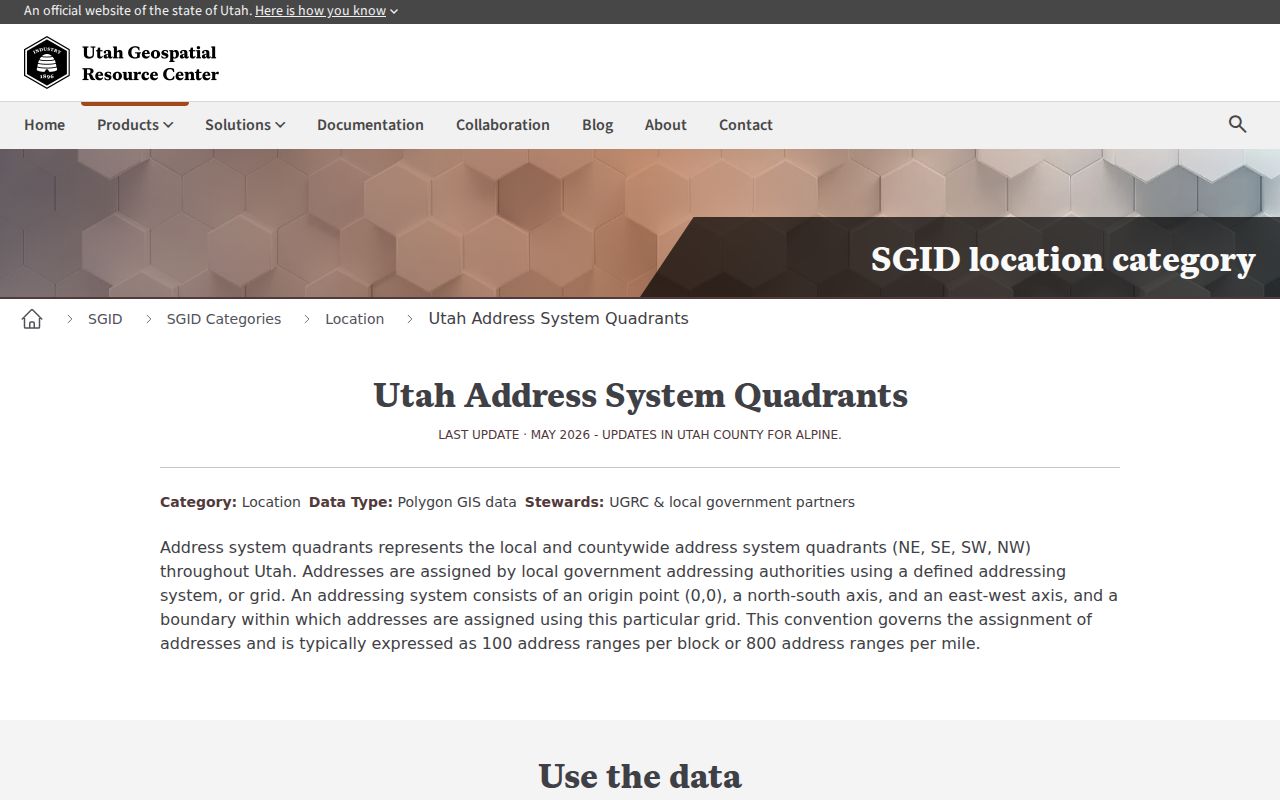
The grid explains why the same style of street number can appear on either side of the county boundary.
Note: If an address fails, try the parcel serial, subdivision plat, legal description, or a recorded addressing affidavit.
Trace Draper Property Records Back
Once the current parcel is known, move from the assessor to the recorder. Start with the newest deed. Note the grantee, which is the person receiving an interest, and the grantor, which is the person transferring it. Record the date, instrument or entry number, and legal description. Then search the prior grantee as a grantor. The same parcel or legal description should carry through each link.
Access differs sharply inside Draper. Utah County publishes official records from 1870 to the present through a free library. Its handwritten alphabetical index covers 1870 through January 1978, followed by a computerized index. Salt Lake County offers free assessor data, but its recorder's document, tract, and chain-of-title products use metered Data Services. Counter and email copies remain available when the online route is unsuitable.
| Land trail | Salt Lake County side | Utah County side |
|---|---|---|
| Current owner | Free assessor search | Free owner and parcel search |
| Recorded chain | Paid Data Services | Free index and images |
| Older access | Recorder counter and county archives | Books, microfilm, scans, and office |
- Parcel
- A mapped unit of land with a county identifier.
- Legal description
- The deed's formal description of the land, independent of its street address.
- Index
- A searchable record summary. It is not the full recorded image.
- Certified copy
- A copy carrying the custodian's official certification for formal use.
Search Draper Court Records
Draper Justice Court handles city Class B and C misdemeanors, infractions, citations, small claims, and related local matters. General civil, felony, family, and probate cases route to Third District Court for Salt Lake County or Fourth District Court for Utah County. The statewide Xchange system searches public district and justice court information by party or case.
A result can show the county, court, case type, case number, filing date, party name, and role. A docket is the dated list of case events and filings. It may also lead to public electronic district-court documents filed since July 1, 2010. District data is generally complete from the end of 1998, but older histories and justice-court conversion dates vary. Sealed, expunged, juvenile, adoption, and several protected family matters do not appear as ordinary public results.
| Search field | Use in a Draper lookup | Limit |
|---|---|---|
| Last name or company | Starts a party search | Common names need more detail |
| First name | Narrows identity; wildcard can help | Middle names may vary |
| County or court | Separates Third, Fourth, and Justice Court | Wrong county can hide the match |
| Case number | Direct retrieval | Must match court data |
| Date range | Limits broad results | Coverage is not uniform |
The Utah Courts Xchange portal offers guest or account access.
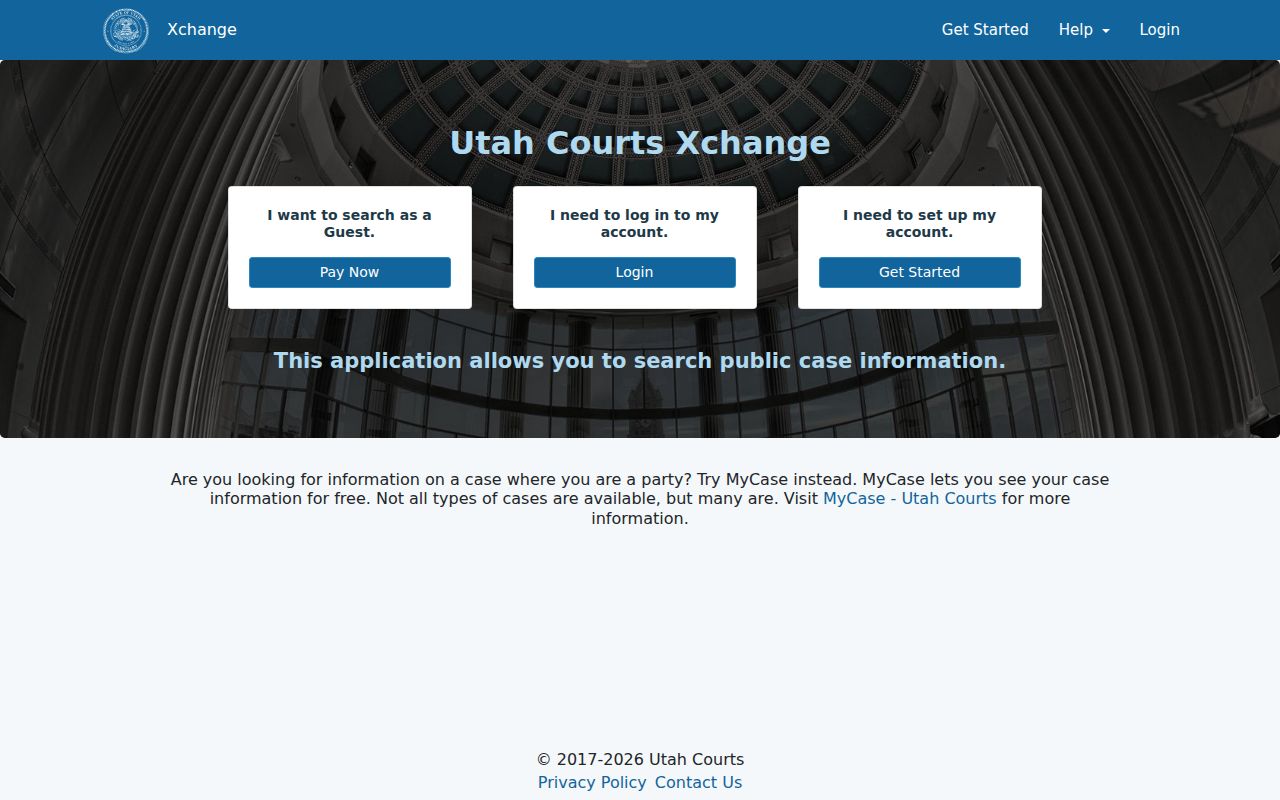
Free Xchange terminals at most district courthouses and the State Law Library provide an offline option, while the clerk supplies available file copies and certification.
Read Draper Vital Records
Utah Vital Records and local health departments issue eligible birth and death certificates. The state also issues marriage and divorce abstracts for events from 1978 through 2010. An abstract confirms the vital event but is not a divorce decree or full court file. Marriage records outside that span go to the issuing county clerk, while divorce decrees go to the correct district court. Recent certificates are controlled records. The person named, qualifying immediate family, a guardian, or a legal representative may need identification and proof of relationship or legal need. Public historical access opens after 100 years for births, 50 years for deaths, and 75 years for marriages and divorces, subject to the exact series. Older material may sit with Utah State Archives, county registers, churches, cemeteries, or newspapers.
The Utah vital records hub explains online, mail, and local in-person ordering.
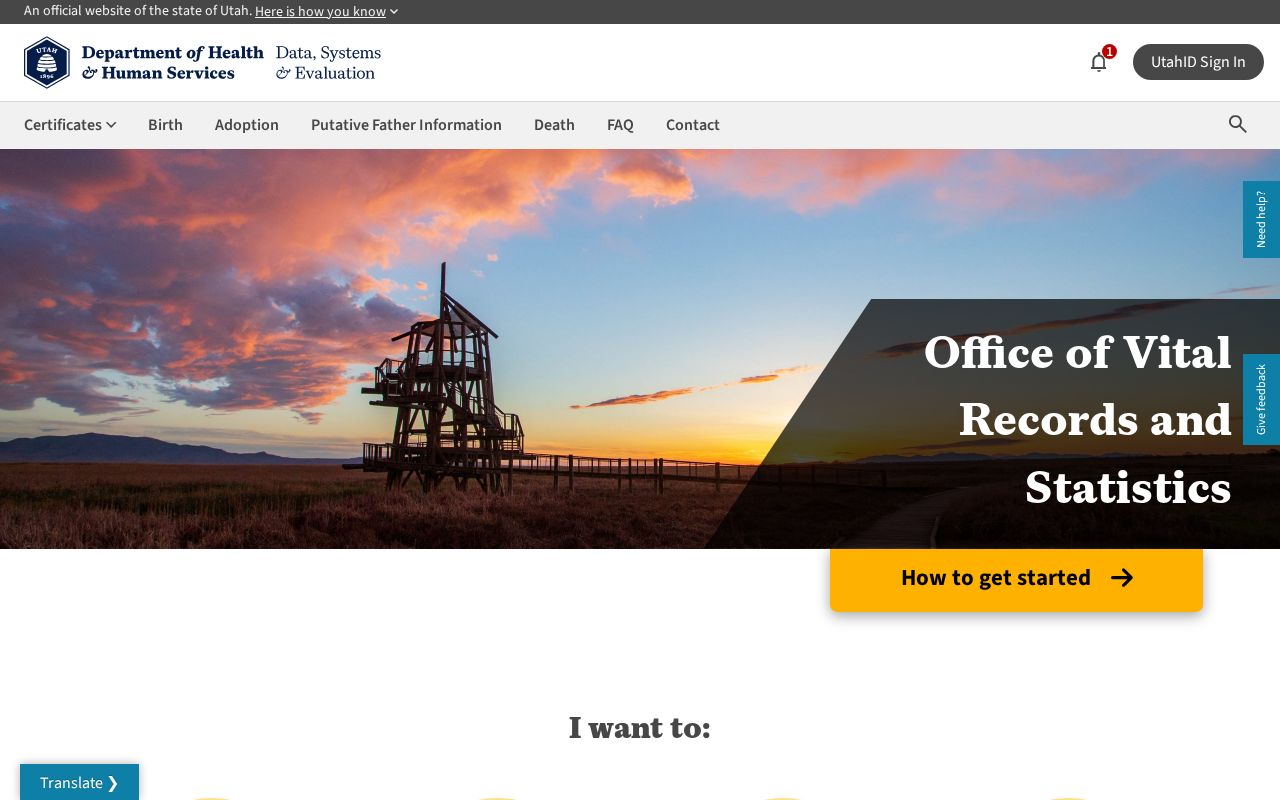
The ordering page is a certificate route, not an unrestricted surname index, and eligibility rules still apply to each request.
Note: As of July 1, 2026, the posted initial fees are $25 for birth, marriage, or divorce and $35 for death.
Find Draper Business Connections
A business lead needs more than one directory. Draper's city license material can connect a licensed operating site with a business. The Utah entity search shows a registered organization, status, and agent. A registered agent is not necessarily the owner. The Division of Professional Licensing verifies a person's state credential and works best when a license number or profession is known.
Layer the results. A city listing supports a Draper operating location. A state entity file supports the registered organization and agent. A professional record supports a credential. Assessor and deed records answer the separate question of who owns the real estate. None of those alone proves that a named person lives at the business address.
The official Utah business search provides the entity portion of that trail.
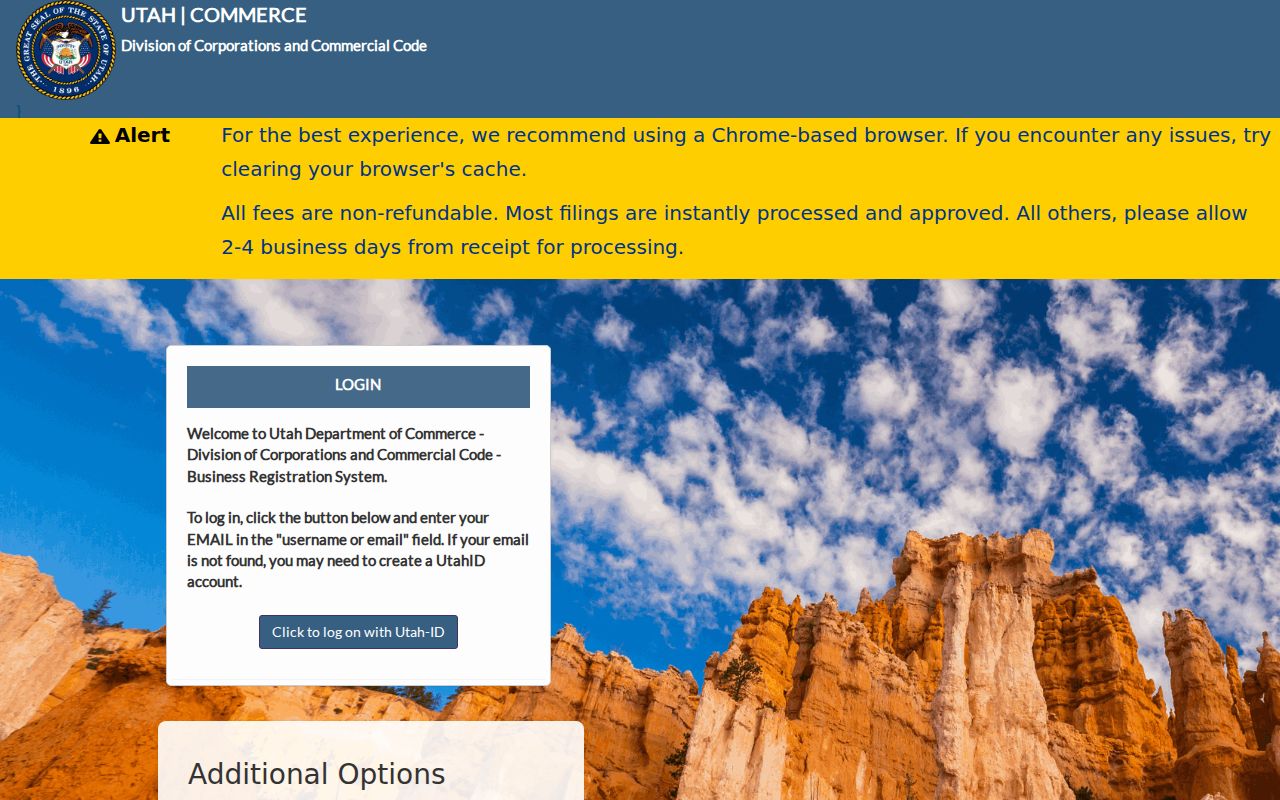
The portal can confirm an entity record, but the city license, credential lookup, and land records answer different identity questions.
Check Draper Custody Records
Custody searches are split too. The Salt Lake County and Utah County sheriffs maintain jail information for their own facilities. The Utah Department of Corrections search covers people currently incarcerated in the state system or on probation or parole. It does not include every unsentenced county-jail detainee, so a careful Draper search checks the right county jail as well as the state source.
Match on more than a name. Depending on the system, results may include a year of birth, booking date, custody status, offender number, charges, release information, or supervision status. Booking data can change quickly, and each system has its own display window. Call the custodian when current status matters or an online result is unclear.
The Utah Corrections offender search is the statewide route documented for Draper research.
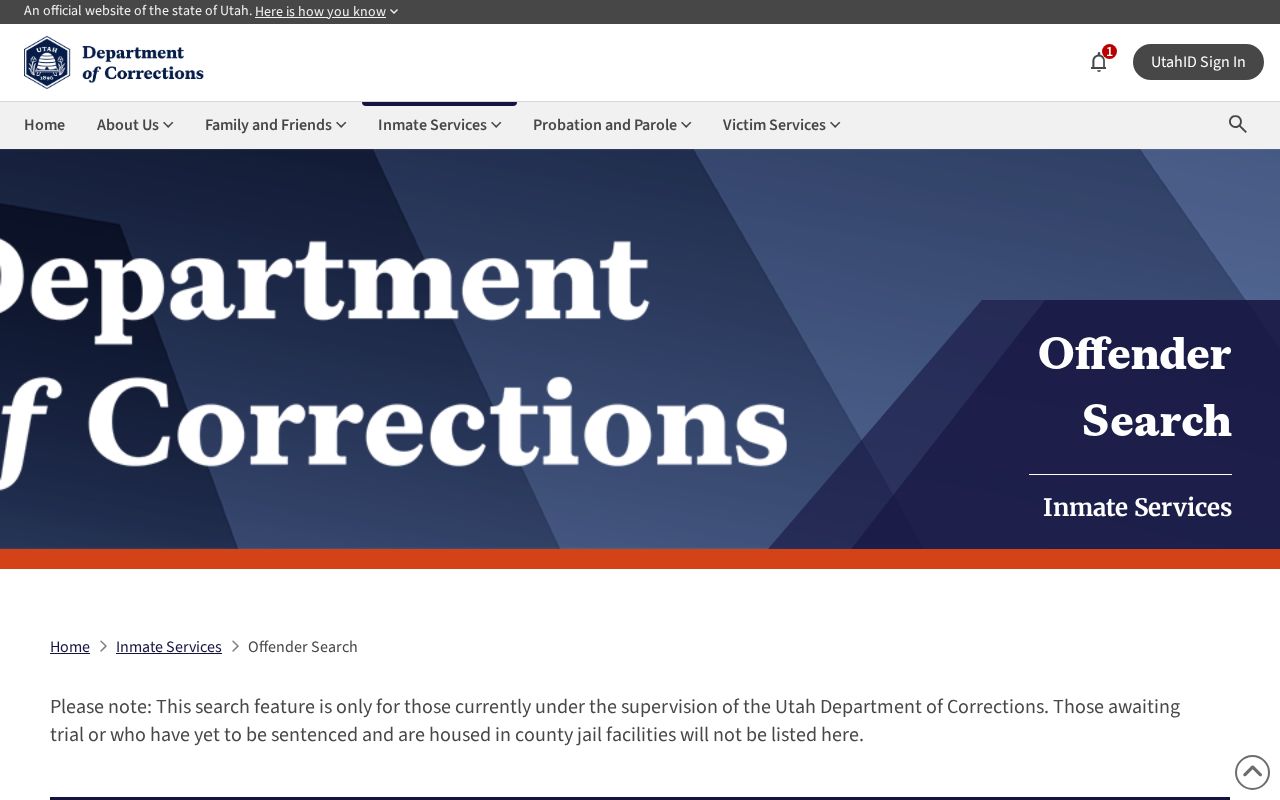
The state interface complements county jail rosters; it does not replace them.
Reconnect Through Draper Probate Records
Probate can connect a deceased person with heirs, guardians, property, and later transfers. Search the public court index for the decedent, then inspect the docket and available file. Petitions, inventories, decrees, guardianship papers, and distributions may name relatives and land. A decree of distribution can then bridge the probate case to a recorder entry and new owners.
Historical geography matters. Salt Lake County territorial probate files include a digitized run from 1889 through the end of the territorial period. Other older court material may be held by the archives once series rules allow access. For land on the Utah County side, pair the probate names with Utah County's party, parcel, and kind-of-instrument searches. Death affidavits and distribution decrees are useful instrument types when a parcel passed after an owner's death.
The Utah State Archives research catalog is the offline and historical fallback for state and local series.
Draper Cemetery's 1870 Reset
Draper Cemetery began at Sand Hill around 1850. The remains were moved to the present cemetery in 1870. That local story explains an apparent records puzzle: the earliest recorded burial is November 21, 1870, yet some markers predate it. An old stone and the present register can both be accurate when a burial was moved.
Use the cemetery as an early name directory, not as a lone source. Compare the plot map, interment record, marker text, ownership transfer, and any correction file held by the city. Then test names and dates against a death record, census, probate file, newspaper notice, or deed. Staff-assisted research is available by appointment through the Draper Cemetery.
Note: A reinterment date, death date, and marker date can describe different events in the same person's record trail.
Search Draper's Earlier Names
Modern Draper is a poor sole keyword for its earliest residents. Settlement began around South Willow Creek or South Willow Bend in 1849. Brownsville and then Draperville also appear in the community's history. Phebe Brown ran the first post office in 1854, and Draperville took its name from William Draper. The city did not incorporate until 1978.
Search catalogs, newspapers, census geography, cemetery files, and county series under each place name. Earlier material may be organized under Salt Lake County, Utah County, Utah Territory, a church, a court, or a record-series title instead of the city. The Draper Historical Society Research Library and Museum holds local publications, photographs, maps, obituaries, oral histories, and resident stories. Its named books can supply maiden names, kinship, occupations, and nicknames, but those leads need confirmation in primary records.
Current and historical directories have different limits. Draper people directories include government, property, professional, cemetery, and verified historical sources, but no authoritative current resident white pages was found. Exact local city-directory and reverse-directory years were not verified, so ask the library or search its live catalog before expecting a specific volume.
Respect Draper Search Privacy
A missing result can be intentional. Utah vital certificates have eligibility limits. Xchange omits sealed, expunged, juvenile, adoption, and other protected matters. Full birth dates, identification numbers, phone numbers, emails, and other fields are withheld from public voter data. At-Risk voter status can conceal identifying voter details. The state status tool is a self-verification route, not a public surname browse; the Draper voter records lookup explains the public and private split. Safe at Home gives qualifying survivors a substitute mailing address that public agencies generally use.
Commercial data deletion does not erase lawful government source records. Utah's consumer privacy law can support access, deletion of supplied data, portability, and some sale or advertising opt-outs with covered businesses. Government entities and many regulated contexts are exempt. Correcting a commercial profile and correcting a deed, court file, or voter record are separate processes with different custodians.
Request Missing Draper Records
When an online index stops, Utah's Government Records Access and Management Act provides the fallback. Ask the office for a specific existing record, not an explanation. Give the department, record type, date range, name, address, and any permit, case, incident, parcel, or document number. Request the native electronic format when it already exists and ask for a cost estimate before staff begins chargeable work.
An ordinary GRAMA response may take up to ten business days. The agency may provide the record, deny access with a reason, invoke extraordinary circumstances, or state that another office is the custodian. Reasonable actual-cost fees may apply, while the first 15 minutes of staff time are generally free. A free index or terminal result can identify the needed file; a plain copy shows content; certification adds the custodian's official seal or statement.
The Draper City records hub separates non-police and police request channels.
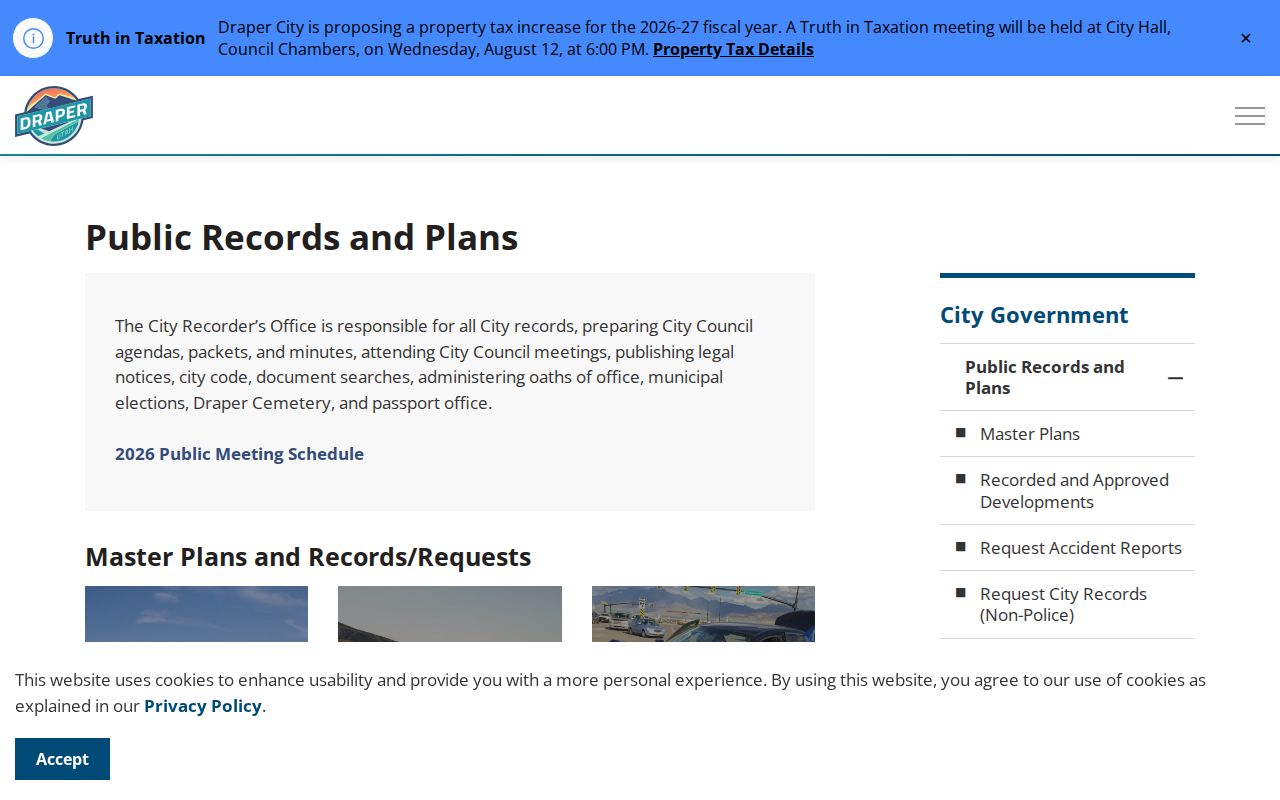
The city route covers city-created files. County land, marriage, election, and district-court records still belong with their own custodians.